
In our rush and crush to go “digital-first,” organizations drop serious cash on shiny new software. We buy the licenses, celebrate the go-live, and then…nothing.
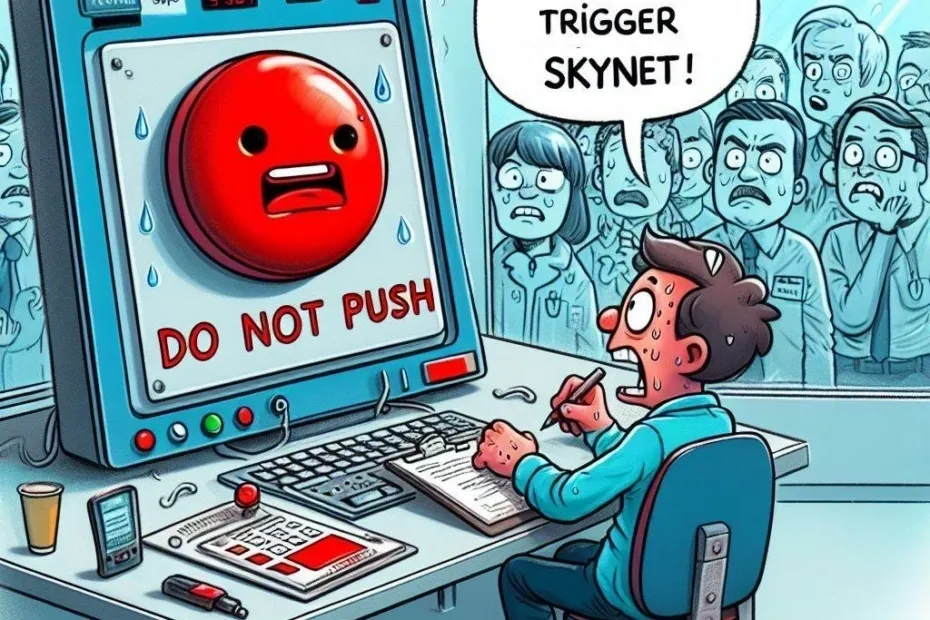
I have been immersed in B2B software since I started in business development at the age of 26, and I’ve seen the silent expectation every time. If you know me, you might have heard me say, “No, this isn’t Skynet technology from The Terminator—a hands-off system that just runs the business perfectly.” The truth is, you have to configure it, learn it, love it, and use it! The real value of a new tool isn’t in the purchase order and what was or was not promised to you during the demo; it’s in how seamlessly your team integrates it into their daily operational processing grind.
As a Program Manager specializing in digital transformation, I know the gap between purchasing a license and achieving true user adherence is a challenge. This Friday night, let’s talk about how to bridge that gap. Stop focusing on the install and start focusing on the user. Because if they don’t use it, you’ve essentially bought a very expensive digital paperweight.
The Program Manager’s Nightmare: Resistance and “Shadow IT”
The initial buzz around new software quickly fades if users find it confusing, clunky, or if they just don’t see how it makes their life easier. The result? Resistance, low adoption, and the dreaded “Shadow IT”—where users create their own messy, Messy, MESSY workarounds! We have to be proactive. A user-centric approach to training isn’t optional; it’s the only way to protect your investment.
Sell the Solution, Not Just the Software
Before you even book the first training session, you have to nail the “WIIFM” (What’s In It For Me?). Your job is to make the team want to use the new tool.
- Bring in the Power Users: Don’t dictate; collaborate. Get key team leads and power users involved in the planning. Their input and sense of ownership are priceless.
- Translate Benefits: Stop talking about “organizational efficiency.” Start talking about “This will cut your reporting time by 45 minutes every week.” Make the personal benefits crystal clear.
- Attack Anxiety Head-On: Create safe, open channels for feedback. Transparency builds the trust needed to weather the change. A classic approach of mine to cut through anxiety is to level set: “Don’t touch anything! Let’s have a meeting and show me what you’re clicking on, but for now, don’t touch anything because all this output is wrong. Garbage In, Garbage Out. Be patient, I am here for you!”
Effective Training is Tailored (Ditch the Generic Dump)
A single, all-hands training session is the equivalent of trying to teach a full university course in one afternoon. It simply doesn’t work.
- Role-Based Deep Dives: Focus the training on the 5-10 features a specific department actually needs. A salesperson doesn’t need the same module as an accountant.
- The Blended Approach: Cater to all learning styles. Mix up in-person workshops (for questions and connection) with video tutorials and self-paced modules (for flexibility).
- Hands-On is Non-Negotiable: Skip the endless slide deck. Practice, practice, practice. Use real-world scenarios and simulations.
Training is a Launchpad, Not the Finish Line
The day training ends is the day the real work begins. Adoption requires a system of constant support and reinforcement.
- Build the “Google” for Your Tool: Create a comprehensive, easily searchable knowledge base—a living document with FAQs, troubleshooting guides, and best-practice workflows.
- Instant Lifelines: Set up dedicated support channels, whether it’s a help desk or a monitored internal chat group. Quick answers prevent a return to old habits.
- Keep the Skill Sharp: Offer regular refreshers to address common snags and introduce new or advanced features. Software evolves; your training must, too.
- Foster a Community: Encourage a user forum or community. Peer-to-peer problem-solving is often the fastest and most sustainable form of support.
Governance: Making Adherence the Path of Least Resistance
Long-term adoption needs more than just cheerleading; it requires strategic oversight and clear guardrails. (I love enforcing governance; it’s how I earned the office nickname “The Governor” from a very close colleague!)
- Define the “Mandatory Path”: Establish clear usage guidelines and integrate the software seamlessly into existing, mandatory business processes. If the new tool is the only way to log a sale, it will be used.
- Measure What Matters: Track usage metrics. Identify the weak links where users are bypassing the system. Use that data for targeted, supportive feedback, not punishment.
- Incentivize Success: Celebrate the wins! Recognize and reward early adopters or teams that hit usage targets. Leadership endorsement and active use are also powerful forms of positive reinforcement.
- Close the Loop: The software itself is never perfect, they never are. (Submit the bug and keep track of changes down the pipeline!) Also, continuously solicit feedback from users on the tool and the process. Use this to make minor config tweaks or adjust training. This shows the team you’re listening.
To conclude…
Implementing new technology isn’t a technical project; it’s a change management project. By shifting your focus from installing the software to empowering and supporting the people who use it, you transform a risky investment into a sustainable digital success story.
Tonight, I went for a reference-free blog for change, a bit informal, but I felt quirky!
Now, enjoy your Friday night. Which movie are you going to watch tonight? Let’s tackle adoption metrics on Monday of Week 43. Have a great one! 🎬
Best Regards,
Myriam
Myriam Hernández Múzquiz specializes in channel partnership strategy and operational excellence. With a background in managing large-scale CRM operations, she helps organizations build revenue-driving partner ecosystems.
Editor’s Note: This article was reviewed and refined with the assistance of Google’s Gemini.
Full Image Source: The Lighter Side of Software Testing: Why a Sense of Humor is a Must-Have in Your QA Toolkit, Software Testing Academy. (https://www.softwaretestingacademy.eu/the-lighter-side-of-software-testing-why-a-sense-of-humor-is-a-must-have-in-your-qa-toolkit/)